
How to Fill Out Authorization for Release of Information Form
TL;DR — Complete Every Field Before Submitting the Form
Use the same patient name and identifying information held by the healthcare organization.
Clearly identify the person or organization that should receive the records.
Describe the requested records and date range as specifically as possible.
Complete the purpose, delivery, expiration, and representative sections when required.
Read the revocation and disclosure statements before signing.
Sign and date the form, save a copy, and submit it through the organization’s approved channel.
Incomplete forms may be returned for correction before the request can move forward.
Learning how to fill out authorization for release of information correctly can help prevent unnecessary delays in a medical record request. A form may be returned or paused when patient details are incorrect, the recipient is unclear, the requested records are too broadly described, the date range is missing, or the form has not been signed.
A complete authorization for release form helps the healthcare organization identify the correct patient, understand what information may be released, verify who should receive it, and determine how the records should be delivered.
Important: This guide is for general educational purposes. It does not replace the instructions on a healthcare organization’s form or legal and compliance guidance. Requests involving minors, sensitive records, legal matters, personal representatives, or unclear authority may require additional documentation or review.
What Is an Authorization for Release Form?
An authorization for release form is written permission allowing a healthcare organization to disclose specified medical records or protected health information to a named person or organization.
The recipient may be another provider, an attorney, a payer, an insurer, a caregiver, a school, an agency, or another approved party. The form helps define who may disclose the information, who may receive it, what information is covered, and when the authorization expires.
Under the HIPAA Privacy Rule, authorization is generally required for uses or disclosures of protected health information that are not otherwise permitted by the rule. A valid authorization must contain required elements and statements.
Because healthcare organizations may use different forms and procedures, requesters should follow the instructions printed on the specific form they receive.
Before You Fill Out the Form, Check What Records You Need
Before writing anything, determine which information will actually meet your needs.
You may need a visit note, laboratory report, imaging report, discharge summary, billing record, claims-related document, or records from a particular provider or treatment period. Requesting an entire medical history when only one report is needed can make the request broader than necessary and may increase processing time.
Knowing the record type, facility, provider, and approximate dates of service will make the rest of the form easier to complete.
How to Complete an Authorization for Release of Information Form
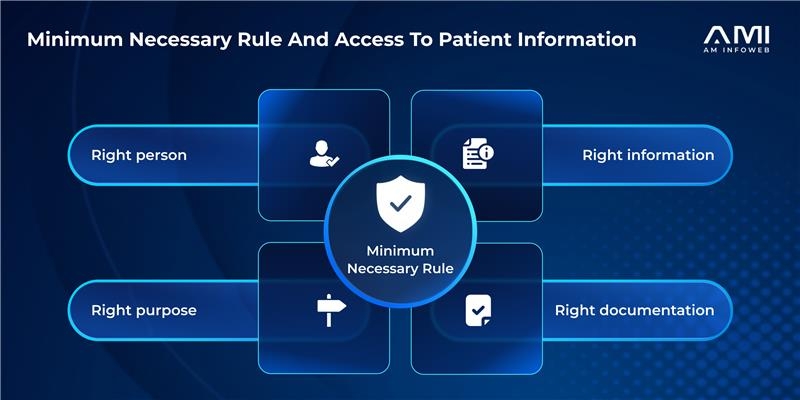
Most authorization forms follow a similar structure, even though the wording and layout may differ between healthcare organizations. The goal is to give the processing team enough accurate information to identify the patient, verify the recipient, understand which records are being requested, and determine how the information should be delivered. The following steps explain how to complete each common section of the form while avoiding the errors that often lead to clarification requests or processing delays.
Step 1: Enter the patient’s information correctly
The medical release authorization form will usually ask for the patient’s full name, date of birth, address, phone number, medical record number, account number, or other identifying information.
Use the same name and details that appear in the healthcare organization’s records. When a name, address, phone number, or insurance record has changed, include any previous information requested by the form.
Incorrect or incomplete identifiers can make it difficult to match the request to the correct patient and may create wrong-record risk.
Step 2: Identify who is allowed to receive the information
Clearly state who should receive the records. Include the recipient’s full name, organization, department, mailing address, telephone number, fax number, secure email address, or portal information where requested.
Avoid vague descriptions such as “my lawyer,” “my insurance,” or “my new doctor.” A precise recipient helps the healthcare organization verify the destination and avoid unnecessary follow-up.
When records are being sent to you directly, enter your own current delivery details according to the form’s instructions.
Step 3: Describe the records you want released
State exactly what information should be included. Depending on your needs, this may include clinical notes, test results, imaging reports, billing records, discharge summaries, claim documents, or records from a named department.
The description should be specific enough for the organization to understand what may be disclosed. HHS guidance notes that a valid authorization must meaningfully describe the information to be used or disclosed and identify who may disclose and receive it.
Avoid broad descriptions when a narrower request will meet your purpose.
Step 4: Add the correct date range
A missing or unclear date range is a common reason a request requires clarification.
Enter the dates of service, treatment period, admission and discharge dates, claim period, or “from” and “to” dates when known. When exact dates are unavailable, provide the clearest reasonable timeframe and any details that can help identify the relevant encounter.
For example, instead of writing “all records,” you could write “records related to knee surgery from March 1, 2025, through June 30, 2025,” when that matches your need.
Step 5: State the purpose of the release if required
Some forms ask why the information is being requested. Common purposes include continuing care, an insurance claim, a legal matter, personal use, a disability review, a school requirement, or another administrative need.
Use the option or description that most accurately reflects your request. Do not guess at legal terminology. When you are unsure what a field requires, contact the healthcare organization before submitting the form.
Step 6: Choose the delivery method
Select how the records should be delivered. Available options may include a secure portal, mail, approved fax, secure electronic delivery, in-person pickup, or provider-to-provider transmission.
Confirm that the destination information is accurate and readable. A correct authorization may still be delayed when the mailing address, fax number, email address, or department is missing or incorrect.
Protected health information should be sent through an approved delivery process that ensures secure, traceable fulfillment.

Step 7: Check the expiration date or expiration event
An authorization may ask for either a specific expiration date or an event that ends the authorization.
An expiration date may be a stated calendar date. An expiration event may be completion of the records request, closure of a claim, or another clearly defined event related to the disclosure.
The HIPAA Privacy Rule requires an authorization to contain an expiration date or event. The authorization generally remains valid until that date or event unless it is effectively revoked earlier, although more restrictive requirements may also apply.
Do not leave this field blank when the form requires it.
Step 8: Read the revocation and disclosure statements
The authorization for use and disclosure of protected health information may include statements about revocation, redisclosure, and whether signing affects treatment, payment, benefits, or eligibility in particular circumstances.
Read these statements before signing. Individuals generally have the right to revoke an authorization in writing, although revocation does not undo actions already taken in reliance on it.
Contact the organization when the wording is unclear or when you need help understanding how revocation would affect a pending request.
Step 9: Sign and date the form
Unsigned or undated forms commonly require correction before processing.
Sign in the designated area and enter the correct date. When a parent, guardian, executor, personal representative, or another legally authorized person signs, the healthcare organization may require documentation showing that person’s authority.
Check whether the form requests the signer’s printed name, relationship to the patient, contact information, or supporting documents.
Step 10: Submit the form through the approved channel
Submit the completed form through the route identified by the healthcare organization. This may be a portal upload, the records department, the HIM office, an approved fax number, a mailing address, or a secure electronic channel.
Keep a copy of the completed form and note when and how it was submitted. This information will be useful if you need to ask about the request later.
Avoid sending the form to an unverified email address or department simply because it appears convenient.
Common Mistakes That Delay Medical Release Forms
Even small errors on a medical release authorization form can prevent the healthcare organization from validating the request or locating the correct records. The most common problems involve missing information, vague instructions, mismatched patient details, or fields that have not been completed according to the form’s requirements.
Before submitting the form, check for these common mistakes:
- Missing or incorrect patient details
- Recipient not clearly identified
- Vague descriptions such as “all records”
- Missing or unclear date range
- Purpose left blank when required
- Delivery method not selected
- Incorrect mailing address, fax number, or secure delivery details
- Missing expiration date or expiration event
- Missing signature
- Missing date signed
- Illegible handwriting
- Representative authority not included when someone else signs
- Conflicting information across different sections of the form
- Required supporting documents not attached
Reviewing these fields before submission can reduce correction requests, duplicate forms, repeated follow-ups, and avoidable delays. Requesters should also save a copy of the completed form and follow the healthcare organization’s specific submission instructions.
What Healthcare Teams Should Do With Incomplete Information Release Authorization Forms
An incomplete information release authorization should not be interpreted through guesswork.
Healthcare teams should pause the request, document the missing or inconsistent information, and clearly explain what the requester must correct. Standard communication templates can help teams provide consistent instructions for missing signatures, patient identifiers, recipient details, date ranges, expiration information, and delivery instructions.
The request should remain visible in the workflow while the team waits for correction. This helps prevent duplicate submissions, repeat calls, untracked holds, and requests being lost between intake and processing.
How AMI Supports Release of Information Workflows
AMI supports healthcare organizations with co-managed Release of Information workflows designed to improve authorization review, request processing, PHI-aware handling, and documentation quality.
With trained healthcare operations teams, secure processes, requester communication support, QA checks, and reporting discipline, AMI helps healthcare leaders reduce delays caused by incomplete forms, unclear requests, and manual follow-up gaps.
AMI support may include:
- Authorization form completeness support
- Release request intake and medical record processing
- PHI-aware records handling
- Requester communication and missing-information follow-up
- QA checks for accuracy and completeness
- Audit trail and documentation support
- Turnaround time and backlog visibility
- Co-managed operations with client oversight
Need Better Control Over Authorization Form Workflows? AMI supports healthcare organizations with co-managed Release of Information workflows built around authorization completeness, PHI-aware processing, requester communication, QA, documentation, and operational visibility.
Get in TouchFinal Thoughts
A complete form helps the healthcare organization identify the correct patient, understand what information is requested, verify the recipient, and deliver records through the appropriate workflow. For anyone learning how to fill out authorization for release of information, the most important step is to complete every required field accurately and review the form before signing and submitting it.
Frequently Asked Questions
About the Author

Written by
Urza Dey
Urza Dey is a content and copywriter with over five years of experience across marketing, B2B SaaS, HealthTech, EdTech, and related industries. At AMI, they contribute to content strategy, blog development, and marketing communication focused on healthcare operations, business process management, and AI-enabled service delivery.