
Health Data Privacy Regulations: Implications for Secure Healthcare Operations
Key Highlights
Health data privacy requirements shape how healthcare organizations handle sensitive information.
Data governance, access controls, and documentation support consistent security practices.
Workforce training, risk assessments, and incident planning require ongoing attention.
New technologies need evaluation against workflow needs and data-handling responsibilities.
Clear operational ownership helps teams translate security expectations into daily work.
Health data privacy is a critical issue today. New regulations are reshaping how healthcare organizations handle sensitive information. These changes aim to protect patient data from breaches and misuse. They also ensure compliance with evolving legal standards.
Healthcare providers must adapt to these regulations. This involves updating their cybersecurity measures and data management practices.
The impact of these regulations is far-reaching. It affects hospitals, clinics, and other healthcare facilities. Patients, too, are directly impacted. Their data privacy and security are at the forefront of these changes.
Understanding these regulations is crucial for healthcare professionals. It helps them navigate the complex landscape of data privacy.
This article explores the latest regulations impacting health data security. It provides insights into their implications for the healthcare industry. Stay informed about the latest healthcare privacy news and how it affects you.
These priorities also inform AM InfoWeb’s co-managed healthcare operations, where defined responsibilities, documented workflows, and human oversight support day-to-day process execution.
Overview of Health Data Privacy Regulations
Health data privacy regulations are vital in ensuring the security and confidentiality of patient information. These laws are designed to keep pace with technological advances and growing security threats. They establish guidelines for handling, storing, and sharing health information within the healthcare industry.
Various global and national frameworks dictate these regulations. In the U.S., HIPAA (Health Insurance Portability and Accountability Act) sets the standard for protecting health data. The EU's GDPR (General Data Protection Regulation) also plays a significant role, particularly for organizations operating across borders.
Some key elements these regulations cover include:
- Protecting patient consent and data usage.
- Establishing penalties for data breaches.
- Implementing security measures for data handling.
Healthcare providers, IT professionals, and policymakers should stay informed about these regulations. Understanding them is crucial for ensuring compliance and maintaining patient trust. As the digital landscape evolves, so do these regulations, requiring continuous updates and adaptations from healthcare entities. Staying ahead of these changes is essential for safeguarding sensitive health information.
Historical Context
Health data privacy regulations have evolved significantly over the years. Originally, these laws aimed to manage record-keeping and improve patient care. In the 1990s, the emergence of digital records created new challenges for data privacy.
HIPAA, enacted in 1996, was a groundbreaking law in the United States. It established national standards for data protection, focusing on electronic health transactions.
Globally, other regions took similar steps. The European Union introduced the Data Protection Directive in 1995. It laid the groundwork for future regulations like GDPR.
Here's a timeline of significant historical milestones:
- 1974: Privacy Act in the U.S. addressed personal data usage.
- 1996: HIPAA enacted in the U.S.
- 1995: EU's Data Protection Directive came into force.
These historical moves reflect the increasing importance of data privacy. They underline the ongoing need for robust, adaptive regulatory frameworks.
Current Legislative Landscape
Today, the legislative landscape for health data privacy is complex and multifaceted. Multiple regulations across different jurisdictions shape how data is handled. In the U.S., HIPAA remains a cornerstone, but state-specific laws add layers of complexity. The California Consumer Privacy Act (CCPA) is an example of a state law affecting healthcare data privacy.
Internationally, GDPR imposes strict compliance requirements on data controllers and processors. This has global implications, as many healthcare organizations operate internationally.
Key regulations in the current landscape include:
- HIPAA and its subsequent rules.
- GDPR's international reach.
- State laws like CCPA in California.
Healthcare organizations must navigate this intricate web of regulations. They need to implement comprehensive security measures to meet compliance obligations. Continuous monitoring and updates are essential to remain compliant in this evolving landscape. Understanding these legislative nuances is crucial for maintaining data privacy and security.
Major Recent Regulations
Recently, health data privacy has seen significant regulatory updates. These changes aim to address emerging cybersecurity threats and enhance patient data protections. Governments globally are tightening regulations to protect sensitive health information more effectively.
In the United States, updates to HIPAA seek to address new technological challenges. Meanwhile, Europe continues to enforce GDPR, ensuring stringent standards. State-level laws, particularly in California, are bringing additional layers of privacy protection. These regulations reflect the increasing recognition of the need for robust health data security measures. Adapting to these major regulations is crucial for healthcare organizations to maintain compliance and safeguard patient information.
HIPAA Updates
The Health Insurance Portability and Accountability Act (HIPAA) remains a critical framework for U.S. healthcare data privacy. Recent updates to HIPAA have focused on enhancing data security and adapting to new tech advancements. These changes reflect the need for improved protection in a digital era.
The updated regulations emphasize three main areas: enhanced patient rights, improved data security, and better breach response. Patients now have more control over their health information. This includes faster access to their data and the ability to request corrections.
Key updates to HIPAA include:
- More stringent penalties for non-compliance.
- Enhanced data encryption requirements.
- Increased patient access to their health records.
Healthcare providers must implement these updates to ensure compliance. Failing to do so can result in hefty fines and damage to their reputation. By adopting these measures, healthcare entities can improve trust with their patients and enhance overall data security. Regular training and system updates are essential to stay compliant with HIPAA regulations.
GDPR Implications for Healthcare
The General Data Protection Regulation (GDPR) significantly impacts healthcare data privacy, particularly within the EU. It sets high standards for data protection and applies to organizations operating within the EU or dealing with EU citizens. GDPR's rigorous requirements have reshaped how healthcare organizations handle data.
One of the major implications is the need for explicit patient consent before data processing. Organizations must also implement stringent data protection measures and report breaches within 72 hours.
Healthcare entities under GDPR must also focus on:
- Appointing a Data Protection Officer.
- Conducting regular Data Protection Impact Assessments.
- Ensuring data processing transparency.
Non-compliance with GDPR can result in severe penalties. This necessitates that healthcare providers globally align with these standards. Regular audits and training programs are critical to managing compliance effectively. GDPR highlights the importance of transparency and accountability in data handling.
New State-Level Privacy Laws
New state-level privacy laws are emerging in the United States, further influencing healthcare data privacy. California's CCPA sets a precedent by granting residents expanded rights regarding their personal data. Other states are following suit, introducing similar regulations.
These laws often focus on enhancing transparency and consumer control over personal information. They also establish new responsibilities for organizations in terms of data handling and breach reporting.
Key elements of state privacy laws include:
- Consumer rights to access and delete personal data.
- Requirements for explicit data usage consent.
- Mandatory breach notifications.
Healthcare organizations need to adapt to these state-specific regulations. This includes understanding the nuances of each law and implementing appropriate data management strategies. Staying informed about upcoming legislation is vital for maintaining compliance. As more states adopt such laws, the regulatory landscape will become even more complex, demanding continuous adaptation.

Why do healthcare security gaps persist despite strong policies?
Because patient data moves across teams, systems, and vendors where access, disclosure, and documentation controls can fail. AM InfoWeb brings PHI-aware workflows, trained teams, QA, and operational visibility together to strengthen security across every handoff.
Impact on Healthcare Cybersecurity
The evolving regulatory environment presents significant implications for healthcare cybersecurity. New laws introduce both opportunities and challenges for protecting patient information. Healthcare organizations must stay vigilant and adapt quickly to the changing cybersecurity landscape.
These regulatory developments demand robust cybersecurity measures and proactive breach response strategies. As threats grow in sophistication, the importance of staying ahead through innovation and cooperation cannot be overstated.
Challenges for Healthcare Organizations
Healthcare organizations face numerous challenges in adapting to new data privacy regulations. Managing the vast amount of sensitive data generated every day is a daunting task. These data often span electronic health records, medical devices, and patient communications.
Key challenges include:
- Ensuring compliance with diverse regulations.
- Balancing accessibility with security.
- Integrating new tech with legacy systems.
The threat landscape is constantly evolving, complicating these efforts. Many healthcare providers struggle to implement effective cybersecurity measures. Often, they lack adequate resources or expertise.
Cyber-attacks like ransomware pose existential risks. They can disrupt healthcare services and compromise sensitive information. Moreover, regulatory compliance demands thorough documentation and reporting practices. This can stretch staff and resources thin.
Addressing these challenges requires a strategic, multifaceted approach. Collaborative efforts among stakeholders also help in developing comprehensive security strategies.
Compliance Requirements
Compliance with health data privacy regulations is both complex and essential. Navigating the maze of federal, state, and international laws demands rigorous attention.
Organizations must establish comprehensive compliance programs. These programs involve regular audits and continuous monitoring. Keeping up with documentation is a constant requirement.
Critical compliance steps include:
- Developing a data governance framework.
- Training staff in data security protocols.
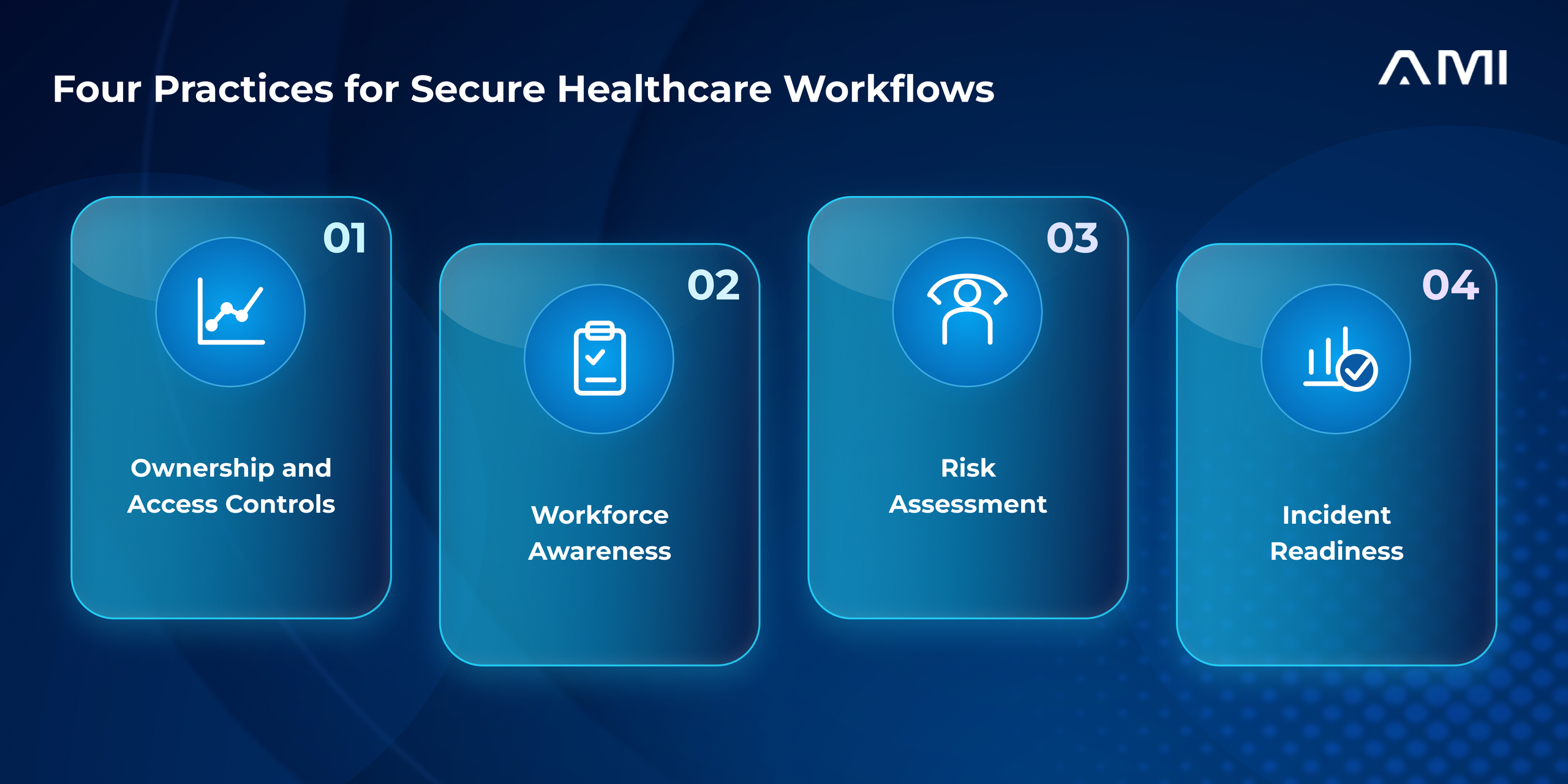
- Conducting regular risk assessments.
Understanding and staying updated on regulation changes are crucial to maintaining compliance. Failure can lead to significant financial penalties and reputational damage. The introduction of stringent reporting requirements poses additional challenges.
Data breach notifications and timely reporting are essential. This requires preparedness and effective communication channels. Healthcare organizations must be proactive in building strong compliance cultures. Keeping data secure while adhering to regulatory standards demands significant effort and investment.
Use a healthcare data security risk assessment to connect these requirements to workflow-specific risks. Refer to HHS Security Rule guidance when checking applicable obligations.
Best Practices for Adapting to Regulations
Adapting to health data privacy regulations involves employing best practices to ensure security and compliance. Implementing these measures minimizes risk and enhances patient trust.
First, organizations should prioritize data encryption. This is crucial in protecting sensitive information from unauthorized access. Regularly updating cybersecurity protocols is another necessity.
Key best practices include:
- Establishing incident response plans.
- Engaging in regular staff training.
- Utilizing advanced threat detection systems.
Developing a culture of security awareness is equally important. This ensures that every team member understands their role in protecting data. Emphasizing the importance of secure communication channels enhances overall cybersecurity posture.
Conducting regular audits helps identify potential vulnerabilities and gaps. This proactive approach assists in mitigating risks before they become issues. Collaborating with cybersecurity experts and utilizing their expertise strengthens security measures.
Healthcare providers must invest in robust IT infrastructure. Continuous investment in cutting-edge cybersecurity technology is critical. By staying informed and agile, organizations can successfully navigate the evolving regulatory landscape.
Your healthcare data security framework should connect access controls, staff awareness, and incident procedures with day-to-day responsibilities.
Case Studies
Examining real-world cases offers valuable insights into the impact of health data privacy regulations. These cases highlight both the repercussions of security lapses and the benefits of effective compliance strategies.
Learning from past experiences is crucial. It helps healthcare organizations strengthen their cybersecurity postures and adhere to regulations. Examining successful compliance efforts inspires other organizations to adopt similar strategies.
Breaches and Consequences
Data breaches can severely impact healthcare organizations. They compromise patient trust and lead to financial losses. One prominent case involved a major hospital system. It suffered a significant breach due to outdated security protocols.
Attackers exploited vulnerabilities in the system. They accessed patient records, exposing sensitive data. This breach affected thousands of patients and resulted in heavy fines. The reputation of the institution suffered greatly as public confidence waned.
Key consequences of data breaches include:
- Loss of patient trust.
- Financial penalties and lawsuits.
- Damage to the organization's reputation.
In another instance, a small clinic faced ransomware attacks. These attacks halted operations, putting patient care on hold. The clinic struggled to recover data and services. Incidents like these underscore the importance of maintaining robust cybersecurity frameworks.
Organizations must invest in updated security systems and comprehensive training programs. Adequate resources should be allocated to continuously monitor and update existing measures. Failing to do so can leave institutions vulnerable to future attacks.
Successful Compliance Strategies
On the other hand, some healthcare institutions have adopted effective compliance strategies. These strategies focus on integrating security into daily operations. A notable example is a hospital system that prioritized data governance and training.
They implemented stringent data access controls and regular audits. These efforts helped the institution prevent breaches and ensured compliance with regulatory demands.
Another success story comes from a medical research center. They adopted AI-powered threat detection systems. These systems enhanced their ability to identify and neutralize potential threats swiftly.
Core elements of their strategy included:
- Comprehensive staff training programs.
- Continuous risk assessments.
- Advanced threat detection and prevention measures.
The outcomes of these strategies were remarkable. The institutions experienced fewer cyber threats and security incidents. They successfully built a culture of security awareness and accountability.
By focusing on proactive measures and investing in modern technology, these organizations set a benchmark for others in the industry. Their efforts demonstrate the importance of aligning cybersecurity initiatives with regulatory requirements. This not only protects sensitive data but also strengthens patient trust.
Future Trends in Health Data Security
Health data security is evolving rapidly, shaped by emerging trends and technologies. As threats become more sophisticated, the healthcare industry must adapt.
Future trends may include heightened regulatory scrutiny and more comprehensive compliance standards. Both will be essential to protect sensitive patient information. Staying informed about these trends helps institutions remain proactive and prepared.
Anticipated Regulatory Changes
Increased regulatory measures are on the horizon. Governments worldwide seek to bolster data protection in healthcare. Anticipated changes could focus on stricter data sharing policies and cross-border data transfer restrictions.
Some regions might introduce newer frameworks inspired by GDPR and CCPA. These frameworks aim to address specific local challenges and industry needs. Moreover, there might be a push for more uniformity in international regulations to facilitate global healthcare collaborations.
Key regulatory changes expected include:
- Enhanced patient consent protocols.
- Stronger penalties for non-compliance.
- More rigorous data breach reporting guidelines.
Healthcare organizations must stay abreast of these developments. Compliance with evolving regulations is crucial. Failure to adapt could result in costly penalties and erosion of patient trust. Thus, keeping an eye on legislative updates will be critical for healthcare leaders and policymakers.
Emerging Technologies and Their Role
Technology is a double-edged sword in the realm of health data security. While it introduces new vulnerabilities, it also presents powerful tools to combat threats. Artificial Intelligence (AI) is making strides in predictive analytics, helping identify potential vulnerabilities before breaches occur.
Blockchain technology offers promising solutions for secure data storage. It provides decentralized control, reducing risks of single-point failures. These technologies can play a pivotal role in safeguarding patient data.
Other emerging technologies include:
- Internet of Things (IoT) devices for real-time monitoring.
- Advanced encryption methods enhancing data protection.
- Cloud computing solutions offering scalable and secure data storage.
Embracing these technologies requires careful evaluation and strategic implementation. They promise to revolutionize data security, but healthcare providers must also mitigate associated risks. A balanced approach to adopting new technologies will ensure robust health data protection and patient confidentiality.
How AM InfoWeb Supports Secure Healthcare Operations
AM InfoWeb brings two decades of experience in the U.S. healthcare industry. Its co-managed model combines AI agents and skilled human agents to eliminate process bottlenecks and execute secure healthcare workflows.
Through its healthcare process management services, AM InfoWeb supports:
- Documented workflows and clear escalation paths.
- Training aligned with client processes.
- Human oversight of approved AI-supported tasks.
Conclusion
Health data security is at a critical juncture. New regulations are reshaping how healthcare institutions handle patient information. These changes reflect the growing need to protect sensitive health data from an array of threats.
Staying compliant with evolving laws is essential. It safeguards not only patient confidentiality but also organizational reputation. As technology advances, the healthcare sector must remain vigilant and adaptable.
Future success will depend on the strategic integration of emerging technologies and thorough regulatory compliance. By prioritizing security, healthcare providers can build trust and ensure the integrity of patient data. The road ahead is challenging, but with proactive measures, the healthcare industry can secure its digital future.
Bring Security Requirements Into Your Healthcare Workflows Discuss your data-handling workflows, training needs, and escalation responsibilities with AM InfoWeb to evaluate a co-managed operating approach.
Discuss Your Healthcare WorkflowsFrequently Asked Questions
About the Author

Written by
Urza Dey
Urza Dey is a content and copywriter with over five years of experience across marketing, B2B SaaS, HealthTech, EdTech, and related industries. At AMI, they contribute to content strategy, blog development, and marketing communication focused on healthcare operations, business process management, and AI-enabled service delivery.