

HIPAA-Compliant Contact Centers Beyond Policy Documents
TL;DR — ROI Medical Records Need More Than Document Processing
ROI medical records workflows require valid authorization, secure PHI handling, accurate record matching, and documented release decisions.
Release of Information delays often come from incomplete authorizations, unclear requester details, missing date ranges, and poor communication.
PHI records must be handled with minimum necessary review, secure delivery channels, role-based access, and QA oversight.
High request volume can create backlogs unless requests are segmented by type, urgency, requester category, and verification needs.
ROI quality assurance should review authorization validity, record scope, requester details, release accuracy, and delivery method.
The benefits of outsourcing release of information services are strongest when support improves accuracy, visibility, QA, and turnaround discipline.
AMI supports co-managed Release of Information services with trained teams, PHI-aware workflows, authorization review support, QA, and operational reporting.
ROI medical records workflows sit at the intersection of patient access, compliance, health information management, and operational execution. Every request must be handled accurately, securely, and within defined turnaround expectations. But in many healthcare organizations, ROI workflows become difficult because request volume, authorization checks, PHI handling, requester communication, and documentation standards are not managed consistently.
That is why ROI medical records management is not only a document release function. It is a controlled healthcare workflow that requires valid authorization, requester verification, accurate record matching, secure disclosure, QA, and audit-ready documentation.
For healthcare leaders, the goal is not just to release records faster. The goal is to reduce delay, avoid PHI disclosure risk, improve turnaround visibility, and keep Release of Information workflows under operational control.
What ROI Medical Records Means in Healthcare
ROI medical records refers to the release of patient medical records or protected health information to authorized individuals, organizations, payers, legal requesters, copy services, or other approved parties. In simple terms, it is the process of managing who can receive medical records, what records can be released, and under what authorization or permitted basis.
For anyone asking what is release of information in healthcare, the answer is broader than sending documents. Release of Information involves validating the request, confirming authorization, identifying the correct patient and record scope, protecting PHI, documenting the disclosure, and ensuring the release follows approved workflows.
This is why ROI sits closely with health information management, compliance, legal, patient access, and operations.
Why Release of Information Services Are Operationally Complex
Release of information services are complex because every request requires accuracy and control. Teams must validate authorization, confirm requester identity, locate the correct records, protect PHI, document the release, meet turnaround expectations, and maintain audit readiness.
Requests can come from patients, providers, attorneys, payers, auditors, copy services, government agencies, or other third parties. Each requester type may need different verification steps, documentation standards, delivery methods, and escalation rules.
The workflow looks simple from the outside. Internally, it requires disciplined release of information support, trained teams, secure processes, and clear QA.
7 Pain Points Where ROI Medical Records Workflows Break Down
ROI medical records workflows rarely fail because of one large issue. More often, delays and compliance risks build up through small gaps across authorization review, PHI handling, requester communication, record matching, QA, and reporting. When these steps are not managed consistently, HIM teams face more rework, requesters send duplicate follow-ups, and leaders lose visibility into where the workflow is slowing down.
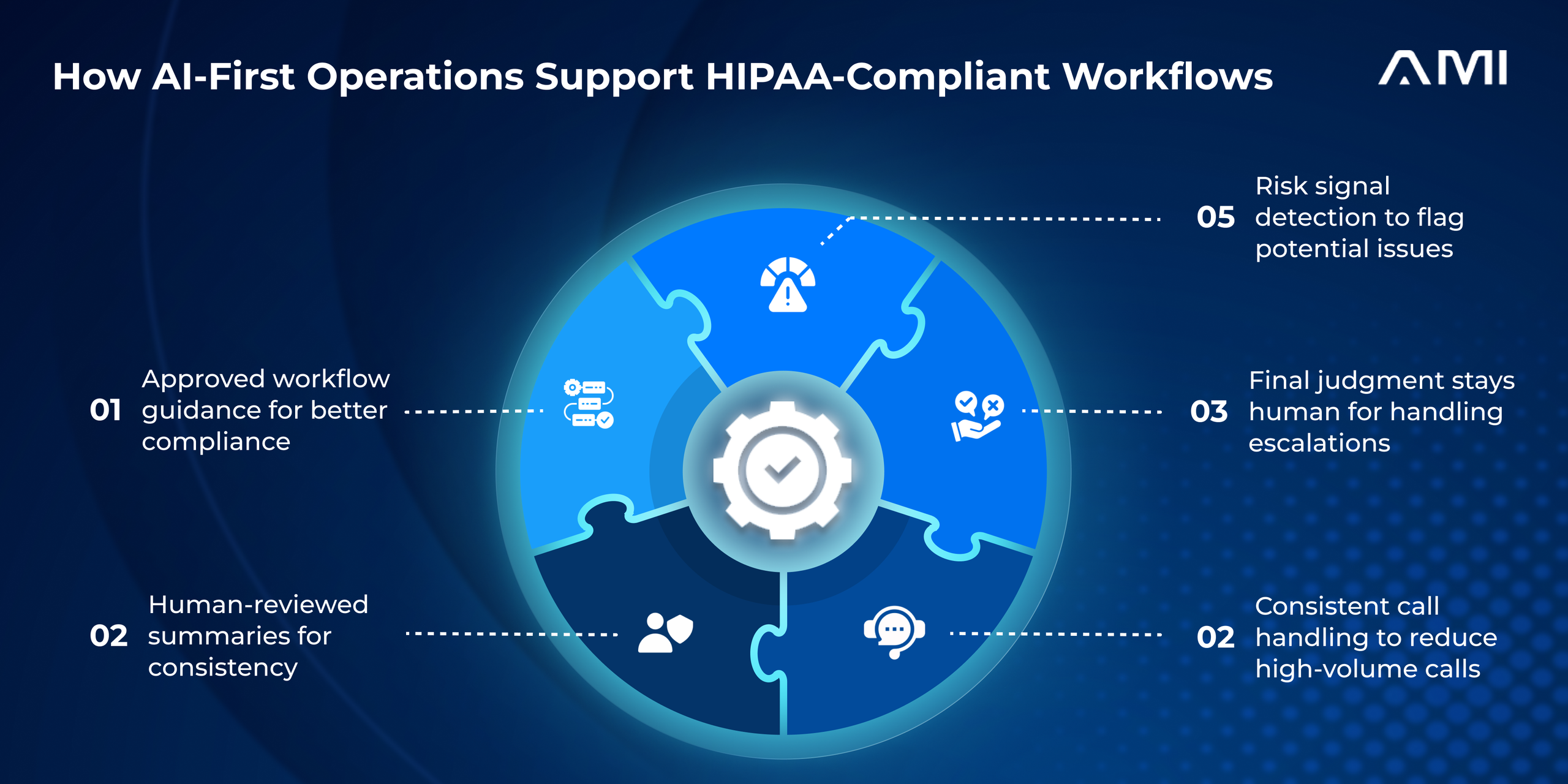
The seven pain points below show where ROI workflows most often become difficult to control and what healthcare leaders can fix to improve accuracy, turnaround time, and operational visibility.
Pain Point 1: Authorization Details Are Incomplete or Unclear
The medical record should be released only with a valid authorization or legally permitted basis. But ROI teams often receive requests with incomplete signatures, unclear date ranges, wrong patient details, missing requester information, expired authorizations, or vague record scope.
These gaps slow down processing and create compliance risk. If teams release too much, too little, or the wrong records, the organization may face rework, requester complaints, or PHI disclosure concerns.
Fix: Create a standard authorization review checklist before processing the request. Include patient identity, requester details, requested record type, date range, signature, expiration, and permitted disclosure purpose.
Fix: Create a standard authorization review checklist before processing the request. Include patient identity, requester details, requested record type, date range, signature, expiration, and permitted disclosure purpose.
Pain Point 2: PHI Records Are Handled Without Enough Workflow Discipline
PHI records must be protected during intake, processing, copying, delivery, documentation, and follow-up. ROI teams need to know what information is allowed, what should be limited, which delivery method is secure, and when a request needs further review.
Weak access controls, unnecessary disclosure, unclear documentation, or inconsistent delivery methods can create avoidable risk. This is where PHI disclosure support becomes important. Teams need processes that help ensure only approved information goes to the right requester.
Fix: Use minimum necessary review, role-based access, secure delivery channels, and QA checks to confirm that only approved records are released.
Pain Point 3: Request Volume Creates Turnaround Time Pressure
ROI teams often manage requests from patients, providers, payers, attorneys, auditors, copy services, and third parties. When request volume rises, teams can experience backlogs, delayed responses, duplicate work, and inconsistent status updates.
The problem becomes worse when every request is treated the same way. A routine patient copy request, an attorney request, a payer audit, and an urgent provider request may each require different handling.
Fix: Use minimum necessary review, role-based access, secure delivery channels, and QA checks to confirm that only approved records are released.
Pain Point 4: Requester Communication Is Inconsistent
ROI workflows slow down when requesters are not updated about missing authorization details, processing status, delivery expectations, or next steps. This can lead to repeat calls, duplicate submissions, escalations, and frustration for both requesters and internal teams.
Consistent communication matters because requesters often do not understand why a request is delayed. If a missing signature, unclear date range, or incomplete authorization is the issue, teams need a clear way to communicate that quickly.
Fix: Standardize requester communication templates for request received, missing information, in-process status, completed release, rejected authorization, and next steps.
Pain Point 5: Records Are Difficult to Locate, Match, or Validate
Delays can happen when patient identifiers do not match, records are spread across systems, date ranges are unclear, or the requested records require additional review. Incorrect matching can also create serious disclosure risk.
For example, a request may include an outdated name, incomplete date of birth, wrong account number, unclear visit date, or broad record scope. Without structured matching, teams may spend additional time validating the request or risk releasing incorrect information.
Fix: Use structured patient matching steps and require second review for unclear identity, duplicate records, unusual date ranges, or high-risk disclosures.
Pain Point 6: QA Is Too Limited for High-Risk ROI Workflows
ROI quality assurance should not only check whether a request was completed. It should review authorization validity, record scope, requester details, PHI disclosure accuracy, documentation quality, delivery method, and escalation handling.
Limited QA can allow repeated issues to go unnoticed. For example, one team may consistently miss expiration dates, another may document unclear release notes, and another may struggle with legal request scope.
Fix: Use QA sampling plus targeted audits for high-risk request types, repeated requester issues, incomplete authorizations, legal requests, and PHI-heavy disclosures.
Pain Point 7: Leaders Lack Visibility Into ROI Workflow Performance
Without reporting, leaders cannot see where ROI delays happen, which requester types create the most rework, how many requests are incomplete, where PHI risk appears, or which workflows need better staffing and controls.
This lack of visibility makes ROI feel reactive. Teams may be busy every day, but leaders may not know whether delays are caused by authorization errors, requester communication gaps, system access issues, high-risk request types, or staffing pressure.
Fix: Track turnaround time, backlog, request type, missing authorization reasons, QA findings, requester follow-ups, rejection reasons, escalation patterns, and release completion rates.

Why do healthcare contact centers struggle even after adding more agents?
Because rising volume, fragmented systems, repeat calls, and delayed escalations need more than staffing. AMI combines AI voice, AI non-voice, and trained human agents to improve routing, documentation, QA visibility, and service execution.
The Benefits of Outsourcing Release of Information Services
The benefits of outsourcing release of information services are strongest when outsourcing improves workflow discipline, not just staffing capacity. A strong ROI partner should help healthcare leaders manage volume, quality, PHI handling, and reporting with more consistency.
Key benefits include:
- Reduced backlog pressure: External ROI support can help teams process high request volumes without overwhelming internal HIM staff.
- More consistent authorization review: Standardized workflows help teams check requester details, patient identity, date ranges, record scope, signatures, and expiration dates before release.
- Stronger PHI handling controls: Trained teams, secure processes, and QA checks help ensure approved information is released to the right requester through the right channel.
- Better requester communication: Standard templates and status updates can reduce duplicate submissions, repeat calls, and avoidable escalations.
- Improved QA and audit readiness: A structured partner can support quality checks, targeted audits, release documentation, and exception tracking.
- Clearer turnaround visibility: Reporting on backlog, request type, missing information, rejection reasons, and release completion helps leaders see where delays are happening.
For healthcare organizations, the goal is not to hand ROI workflows into a black box. The goal is to add operational support while keeping visibility, control, and compliance awareness intact.
What Healthcare Leaders Should Not Outsource Blindly
Healthcare leaders should not hand ROI workflows to a vendor without visibility. ROI involves PHI, requester verification, authorization review, secure disclosure, and audit-ready documentation. If those workflows disappear into a black box, risk can increase instead of decrease.
Before selecting a partner, leaders should confirm visibility into authorization checks, PHI handling controls, QA results, escalation rules, turnaround time, requester communication, and compliance documentation.
For HIPAA-compliant medical records release, the safest model is not just external processing. It is co-managed execution with clear reporting, defined workflows, secure handling, and leadership oversight.
How AMI Supports Release of Information Services
AMI supports healthcare organizations with co-managed Release of Information services designed to improve accuracy, turnaround discipline, PHI handling, and workflow visibility. With trained healthcare operations teams, secure processes, QA controls, authorization review support, and reporting discipline, AMI helps leaders manage ROI medical records workflows without losing operational oversight.
AMI supports:
- ROI request intake and processing support
- Authorization review workflow support
- PHI-aware records handling
- Medical record request processing
- Requester communication support
- QA checks for accuracy and completeness
- Turnaround time and backlog visibility
- Co-managed operations with client oversight
AMI’s approach is designed for healthcare leaders who need more than staffing support. It brings process discipline, health information management support, secure workflows, and operational reporting into one co-managed model.
Need better control over ROI medical records workflows?AMI helps healthcare organizations improve authorization review, PHI-aware records handling, requester communication, QA, turnaround visibility, and co-managed Release of Information operations.
Get in TouchFrequently Asked Questions
About the Author

Written by
Urza Dey
Urza Dey is a content and copywriter with over five years of experience across marketing, B2B SaaS, HealthTech, EdTech, and related industries. At AMI, they contribute to content strategy, blog development, and marketing communication focused on healthcare operations, business process management, and AI-enabled service delivery.